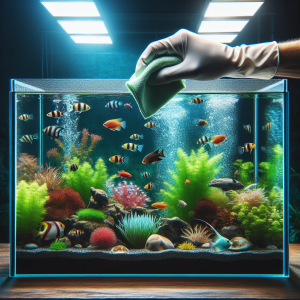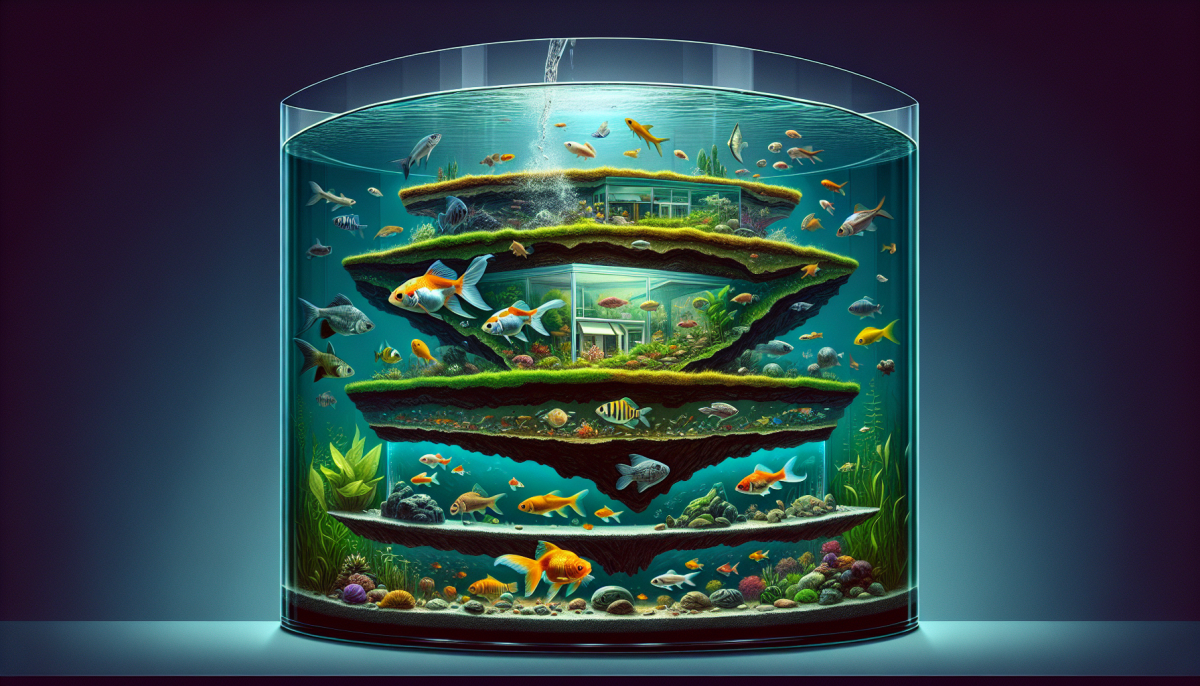
The story of aquariums starts way back in ancient times. People have been fascinated by fish and water life for ages. The earliest records tell us about the Babylonians in Mesopotamia, who kept fish in ponds around 2500 BC. They didn’t have the glass tanks we have now, but they sure made a splash with their love for fish!
Fast forward to ancient Rome, and you’d see wealthy folks keeping fish in large water tanks. They loved showcasing exotic species, almost like a status symbol. These early setups were made from marble and even had intricate designs, making them beautiful as well as functional. The Romans knew how to impress their guests with a view of colorful fish swimming around.
Things really took off in the 19th century when glass aquariums became popular. With the invention of glassblowing techniques, it was easier than ever to create tanks that people could enjoy. These glass boxes filled with water allowed anyone to create their own little underwater world right in their living room. The first public aquarium opened in London in 1853, and suddenly, everyone wanted to be part of the aquatic trend!
As we moved into the 20th century, the hobby expanded. Advances in technology made it easier to care for fish, and soon fishkeeping became a beloved pastime for many. People began experimenting with different fish species and plants, turning their tanks into vibrant ecosystems. Now, aquariums aren’t just about keeping fish; they’re a full art form that combines creativity and nature.
The Evolution of Tank Designs
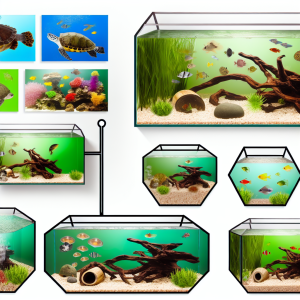
The world of aquariums has come a long way since people first started keeping fish. Early on, fish were often kept in simple, open-top bowls or small tubs. These designs didn’t do much to mimic a natural habitat, and they were pretty limited. But hey, it was a start! As people fell more in love with the idea of having aquatic pets, needing better setups became clear.
Fast forward to the 19th century, and things got exciting. The invention of glass tanks changed everything. Suddenly, fish could be seen swimming around in a clear, beautiful environment. This era was all about showcasing your fish, and aquarists started to get creative. They began adding plants and decorations, turning plain glass boxes into little underwater worlds.
The 20th century brought even more innovation. With the rise of modern filtration systems, aquariums became easier to maintain. Tanks grew larger, and different styles emerged. People wanted more than just a place for fish; they sought to create entire ecosystems. Reef tanks, planted tanks, and even biotope setups became popular. Each design catered to the specific needs of fish and plants, allowing enthusiasts to create something truly unique.
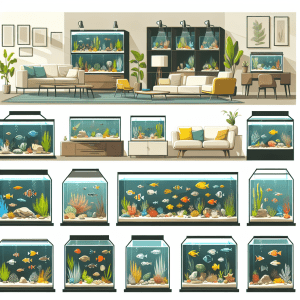
Today, tank designs are beyond what anyone could’ve imagined in the early days. You can find tanks of all shapes and sizes, from sleek, minimalist designs to extravagant setups. Technology has also introduced LED lighting, advanced filtration systems, and even interactive features like aquascaping elements. Every design choice helps to mimic the natural environment, making it easier for fish to thrive.
Aquarium Keeping Through the Ages
Aquarium keeping has a long and interesting history, dating back thousands of years. Ancient civilizations like the Egyptians and Chinese kept fish in stone ponds and decorative bowls. They appreciated the beauty of fish and often saw them as symbols of life or fertility. Imagine wandering through an ancient Egyptian palace, where colorful fish swam gracefully in large pools. That was just the beginning of our journey with aquariums.
Fast forward to the 19th century, and things really took off. People began to embrace home aquariums for the first time. The first glass aquarium was built in London in 1850, and it changed everything. Suddenly, fishkeeping became a popular hobby. With glass containers, you could finally see and appreciate the vibrant colors and unique behaviors of various fish species up close.
By the late 1800s, aquarium societies popped up all over Europe and North America. Fish enthusiasts gathered to share tips, swap fish, and discuss the best way to keep their aquatic friends happy and healthy. This community spirit helped to educate many new fish keepers and push the hobby into the modern age.
Today, aquarium keeping is more popular than ever. With the rise of technology, we have access to amazing equipment like LED lights, filters, and automatic feeders. These advancements make it easier to maintain beautiful aquariums, giving fish lovers a chance to create stunning underwater worlds in their own homes. Now we have everything from freshwater tanks to elaborate saltwater setups, each one telling its own unique story. It's a thrilling time to be a fish keeper!
Modern Trends in Aquatic Displays
These days, setting up an aquarium is a whole vibe. People aren’t just tossing a fish tank in the corner anymore; they’re creating entire aquatic pieces of art. From sleek, minimalist designs to vibrant, lush underwater jungles, modern aquatic displays are all about personalization and style.
One major trend is the use of aquascaping. It’s like gardening, but underwater! Enthusiasts create stunning landscapes using rocks, plants, and wood. You’ll see everything from serene Japanese-style gardens to wild, colorful scenes bursting with life. It’s a game-changer for those looking to add character to their living spaces.
Another exciting trend is the technology incorporated into aquariums. Smart tanks are now a thing! With apps, you can monitor water quality, control lighting, and even feed your fish—all from your phone. Imagine getting alerts if the water gets too warm or if you need to top off the tank. It makes ownership much easier and hassle-free!
Finally, biotope aquariums are gaining popularity. These setups mimic natural habitats and allow fish and plants from specific regions to thrive together. It’s like taking a little piece of nature and showcasing it right in your home. Collectors love the challenge of creating these precise ecosystems, and it adds a whole new level of appreciation for the aquatic life involved.