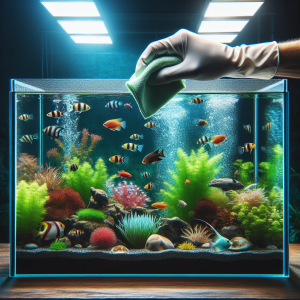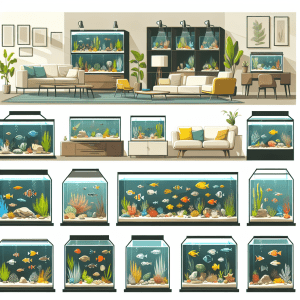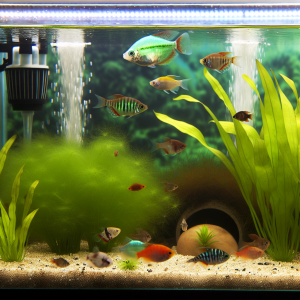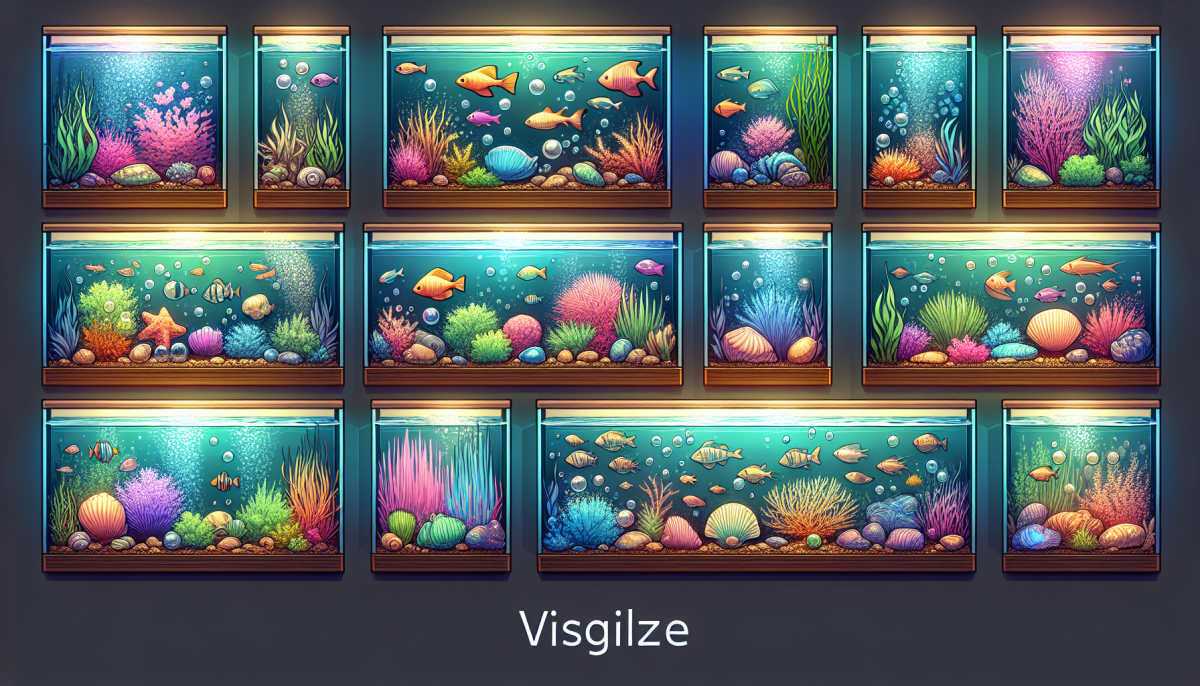
First off, think about what types of pets you're planning to keep. Different species have different space needs. For instance, a Betta fish does well in a 5-gallon tank, while a school of tetras will thrive better in a 20-gallon setup. Always check the recommended tank sizes for the specific fish or inverts you're interested in.
Next, consider how many pets you want to keep. It’s tempting to squeeze in a few extras, but overcrowding can lead to stress and poor water quality. A general rule of thumb is to allow one inch of fish per gallon of water, but that can vary based on the fish types and their adult sizes.
Don’t forget about the tank’s dimensions too. A tall tank might look cool, but many fish prefer horizontal swimming space. A long, wider tank allows for more swimming area and can help create a more natural environment for them.
Finally, think about where you'll place the tank. Make sure you have enough room not just for the tank, but also for maintenance. You’ll need space for filters, decorations, plants, and maybe even some equipment like heaters and lights. Getting the size right from the start saves you a lot of headaches down the line!
Essential Features for Happy Aquatic Life
Getting the right tank for your aquatic pets is super important. A happy home makes for happy fish, turtles, or any aquatic critters you have. Let's dive into some essential features you should look for when picking the perfect tank.
First up, the tank size matters. Bigger is usually better. A larger tank gives your pets more room to swim and explore, which is essential for their health. Think about how many fish or pets you'll have. A good rule of thumb is one inch of fish per gallon of water. So, if you’re planning for a few small fish, a 20-gallon tank is a great starting point.
Next, filtration is a must. A good filter keeps the water clean and clear. Look for one that’s easy to maintain and has the right flow rate for your tank size. You want something that’ll do the dirty work without creating a strong current that can stress out your fish.
Don't forget about temperature control! Most aquatic pets thrive in specific temperature ranges. Heaters are essential for tropical fish, while some cold-water species prefer cooler temps. Make sure you have a reliable thermometer and a heater that fits your tank size to keep the water just right.
Lastly, decorations and hiding spots can make your aquarium super cozy. Fish love places to hide and explore. Adding some plants, rocks, or ornaments not only makes for a fun environment but also gives them spots to relax. Just make sure everything is safe and won't harm your little friends.
Top Material Options for Your Fish Tank
Choosing the right material for your fish tank can make a big difference in both appearance and functionality. Here are the top options you should consider:
Glass is a classic choice. It’s super clear, which shows off your fish beautifully. Glass tanks don’t scratch easily and are generally great for larger setups. They can be heavy, so make sure you have a sturdy stand. Plus, they usually have a longer lifespan than other materials.
Acrylic is another popular option. It’s lighter than glass, so it’s easier to move around. Acrylic tanks are less likely to break, which can be a plus if you have kids or pets around. They can scratch more easily than glass, but with proper care, they still look stunning. You’ll love the flexibility they offer in terms of shape and size too!
Then, there are plastic tanks. These are usually budget-friendly and super lightweight. Great for beginners or smaller setups, they’re easy to clean and maintain. However, they might not give you that crystal-clear look like glass or acrylic do, but they can still be a good choice for breeding or temporary housing.
Thinking about size and location is key when choosing the material. If you want a large display piece, glass or acrylic might be better. For quick setups or if you’re just starting out, a plastic tank could be the way to go. Trust your instincts and pick the material that fits your needs best!
Setting Up Your Tank Like a Pro
Setting up your aquarium can feel a bit overwhelming, but it’s actually quite simple once you get the hang of it. First things first, choose a good spot for your tank. Look for a stable surface away from direct sunlight. Too much sun can lead to algae growth. Trust me, you don’t want that hassle!
Next up, think about the substrate. You have choices like gravel, sand, or even bare bottom. If you’re keeping fish, gravel is usually a solid option since it can hold beneficial bacteria. If you’re setting up a tank for something like shrimp, sand might be the way to go. Just make sure whatever substrate you pick is safe for your aquatic friends!
Now, let’s talk about decorations. Plants, rocks, and driftwood not only make your tank look fantastic but also give your pets places to hide and explore. Live plants are a great choice since they help keep the water clean and provide oxygen. Just remember to choose plants that are suitable for your specific pets.
Don’t forget about filtration! A good filter keeps the water clean and makes your life easier. There are different types, like hang-on-back or canister filters. Make sure the one you choose is the right size for your tank and suitable for the fish or pets you have. Clean water is key to a happy aquarium!
Finally, once everything is set up, wait for the water to cycle before adding your pets. This can take a few weeks but it's worth the wait. You want to create a stable environment for your new friends. With these tips, you’ll have a thriving tank in no time!