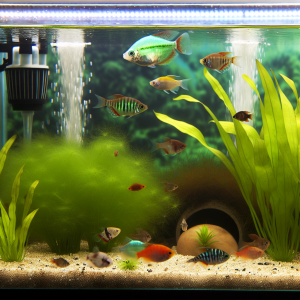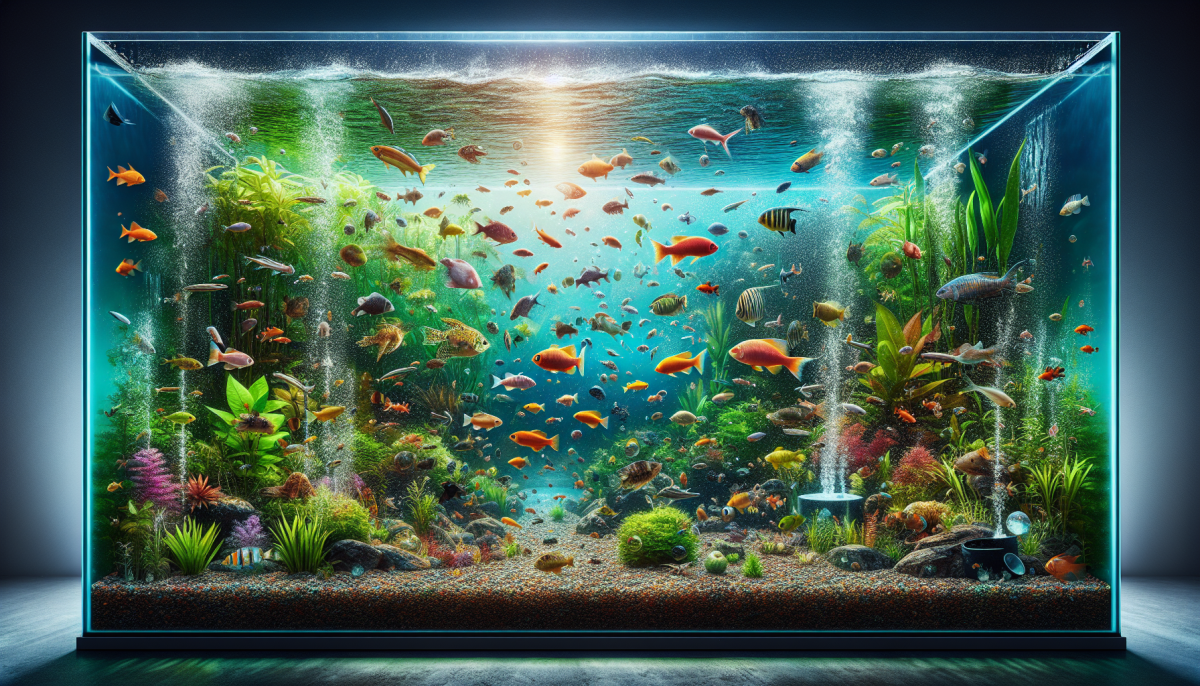
Clean water isn’t just nice to have; it’s a must for keeping your fish healthy and happy. Fish are sensitive creatures, and their environment plays a huge role in their well-being. When the water in your aquarium is clean, your fish can thrive, show off those beautiful colors, and exhibit natural behaviors. It really makes a difference!
So, what makes water “clean”? It's all about maintaining the right balance of chemicals, avoiding harmful toxins, and removing waste. Fish produce waste, uneaten food breaks down, and plants can sometimes decay. Without regular maintenance, these things can build up, leading to poor water quality. Keeping the water fresh helps prevent stress, disease, and even death among your aquatic buddies.
Tap water isn’t always safe for fish either. It can contain chlorine, heavy metals, and other additives that aren’t friendly to your underwater pals. Using a water conditioner can help to neutralize these harmful substances. Regular testing with water quality kits can also help you keep tabs on pH, ammonia, nitrite, and nitrate levels. This way, you catch issues before they turn into big problems.
In short, clean water means happy fish. Investing time and effort into maintaining a healthy environment pays off big time. You’ll notice more activity, beautiful colors, and a lively aquarium that makes your space feel more alive. Your fish deserve the best, so make water quality a top priority!
Testing Water Quality Made Easy
Testing the water quality in your aquarium doesn’t have to be a chore. It’s a pretty straightforward process that can keep your fish happy and healthy. By regularly checking your water parameters, you can catch problems before they escalate.
First off, grab a reliable water testing kit. These kits are usually pretty affordable and come with everything you need. Look for ones that test for pH, ammonia, nitrite, and nitrate levels. These key factors are crucial for your aquatic friends’ well-being.
Once you have your kit, testing is as easy as following the instructions. Most kits will ask you to fill a test vial with your tank water, add a few drops from the reagents, and then wait for a color change. You just match the resulting color to a chart, and you’ll know where your water stands.
Try to test your water at least once a week, especially when you’re setting up a new tank or adding new fish. Keeping a log of your readings can help you spot trends over time. If you notice any dramatic changes, it might be time to take action, like doing a water change or adjusting something in your setup.
Making water testing a regular habit simplifies managing your aquarium's health. It becomes second nature, and before you know it, you’ll feel like a pro at keeping your aquatic environment in top shape. Happy testing!
Top Tips for Maintaining Water Quality
Maintaining water quality is key to keeping your aquarium healthy and thriving. Here are some straightforward tips to help you keep your tank in tip-top shape.
First, always monitor your water parameters. This includes checking pH levels, ammonia, nitrite, and nitrate levels. A simple test kit can do wonders and gives you peace of mind. Regular testing helps you catch problems early, before they turn into big issues.
Next up, be consistent with your water changes. Regularly changing about 10-15% of your aquarium water every week helps remove harmful toxins and keeps things balanced. It’s a small effort for a big payoff in the health of your fish and plants!
Don’t forget about your filters! Clean them regularly to ensure they run efficiently, but avoid over-cleaning. You want to maintain some beneficial bacteria that help break down waste. A good tip is to rinse them in the tank water you remove during water changes to keep those helpful bacteria alive.
Lastly, be mindful of your feeding routine. Overfeeding can cloud the water and spike ammonia levels. Stick to the rule of only feeding what your fish can eat in a few minutes. This keeps your tank clean and your fish happy!
Signs Your Aquarium Needs a Check-up
Your aquarium is like a little ecosystem, and just like anything else, it needs regular check-ups. Here are some signs that tell you it’s time to dive into some water quality tests and maintenance.
If you notice your fish acting strange, that’s a big red flag. Are they hiding more than usual? Are they swimming erratically? These behaviors often mean something’s off in the water. Keep an eye on them; they can be pretty good at giving you hints.
Another sign is cloudiness in the water. If it’s looking murky or filled with floating particles, it’s time to investigate. Cloudy water can indicate excess nutrients or bacteria. A quick water test can help identify issues that need fixing.
You should also check for algae growth. A little green here and there is normal, but if your tank starts to look like a mini swamp, it’s time to act. Algae blooms can choke your fish and impact water quality negatively. Regular maintenance can help control this.
Lastly, if your filter is noisy or struggling, don’t ignore it! Filters are crucial for keeping the tank clean. A failing filter can lead to poor water quality, stressing your fish and plants. Make sure to clean or replace it as needed.